
Men's Health
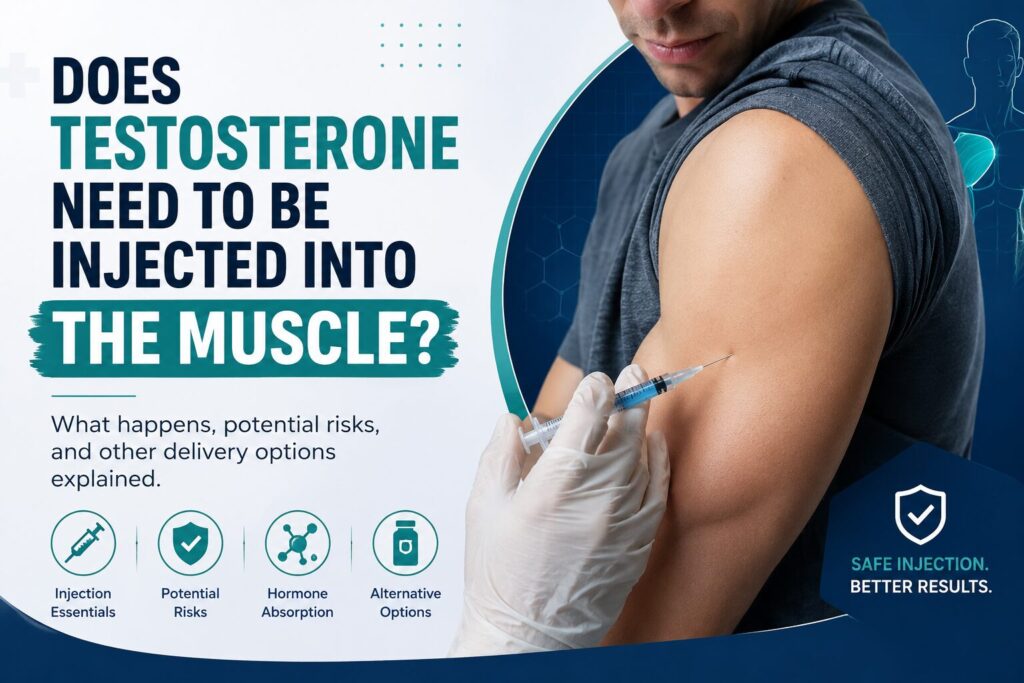
Does Testosterone Need to Be Injected Into the Muscle?
Jun
Low testosterone, also known as hypogonadism, affects approximately 2% of men and individuals assigned male at birth (AMAB). One of the most common treatments for this condition is testosterone replacement therapy (TRT), with intramuscular injections being a widely prescribed option.
When administered correctly, testosterone injections help restore hormone levels and alleviate symptoms associated with testosterone deficiency. However, incorrect injection techniques can reduce treatment effectiveness and increase the risk of side effects.
This article explores what happens when testosterone is not injected into the muscle and discusses alternative testosterone delivery methods.
Why Testosterone Is Usually Injected Into the Muscle
Most testosterone injections are designed for intramuscular administration, meaning the medication is injected directly into a muscle. This method allows testosterone to be released gradually into the bloodstream, helping maintain stable hormone levels over time.
Several factors make intramuscular injections an effective option:
Faster and More Reliable Absorption
Muscle tissue contains a rich network of blood vessels, enabling efficient absorption of testosterone into the bloodstream.
Long-Lasting Effects
Intramuscular injections are formulated to release testosterone slowly, providing a sustained therapeutic effect and reducing the frequency of dosing.
Reduced Risk of Tissue Irritation
Injecting testosterone into the intended muscle tissue helps minimize irritation and complications that may occur when the medication is delivered into other tissues.
What Happens If Testosterone Is Not Injected Into the Muscle?
When testosterone is injected into the wrong tissue, several complications can occur. These may affect both the effectiveness of the treatment and the patient’s overall comfort.
Reduced Treatment Effectiveness
Injecting testosterone into fatty tissue or an unintended area may alter how the medication is absorbed. This can lead to fluctuating hormone levels, reduced therapeutic benefits, and inconsistent treatment outcomes.
Poor Absorption
Improper injection placement may prevent the body from absorbing testosterone efficiently. As a result, symptoms of low testosterone may persist despite ongoing treatment.
Pain, Swelling, and Irritation
Incorrect injection techniques can cause discomfort at the injection site. Common symptoms include pain, redness, itching, bruising, and swelling.
Increased Risk of Infection
Using improper injection techniques or failing to maintain sterile conditions can increase the likelihood of infection. Signs of infection may include persistent redness, warmth, swelling, or discharge at the injection site.
Potential Health Risks
Accidental injection into a blood vessel is uncommon but may lead to adverse reactions and requires immediate medical attention. Proper training and technique are essential to minimize risks and ensure safe administration.
Alternative Testosterone Delivery Methods
Although intramuscular injections are one of the most common forms of TRT, several alternative options are available.
Testosterone Patches
Testosterone patches are applied directly to the skin and deliver a controlled dose of hormone throughout the day. They are convenient but may cause skin irritation in some users.
Testosterone Gels
Testosterone gels are applied topically and provide a steady release of hormone through the skin. They are easy to use but require precautions to prevent accidental transfer to others through skin contact.
Testosterone Pellets or Implants
Small testosterone pellets can be inserted beneath the skin, where they slowly release the hormone over several months. While effective, this method requires a minor medical procedure.
Oral Testosterone
Oral testosterone formulations are available but may not be suitable for everyone. Their effectiveness can vary depending on the formulation and individual patient factors. Want to know whether testosterone can affect your height? Read our detailed guide on Testosterone and Height: Does Testosterone Make You Taller?
Choosing the Right Testosterone Therapy
The most effective testosterone replacement method depends on several factors, including the severity of testosterone deficiency, lifestyle preferences, treatment goals, and potential side effects. A healthcare provider can help determine the most appropriate option based on individual needs.
Conclusion
Proper administration is essential for successful testosterone replacement therapy. Intramuscular injections are designed to deliver testosterone efficiently and maintain stable hormone levels over time.
When testosterone is not injected into the muscle, it may result in reduced effectiveness, poor absorption, discomfort, irritation, or an increased risk of complications. Following the prescribed injection technique and consulting a healthcare professional can help maximize treatment benefits and reduce potential risks.
For individuals who prefer not to use injections, alternatives such as gels, patches, pellets, and oral formulations may offer effective options for managing low testosterone.
Frequently Asked Questions
What are the signs of poor testosterone absorption?
Poor testosterone absorption may result in persistent symptoms of low testosterone, including fatigue, reduced libido, low energy levels, mood changes, and difficulty building or maintaining muscle mass. Localized pain, swelling, or redness at the injection site may also occur.
What should I do if I experience problems with testosterone injections?
If you experience ongoing discomfort, unusual reactions, or concerns about your injection technique, consult your healthcare provider. They can evaluate your treatment plan and recommend appropriate adjustments.
Can I administer testosterone injections myself?
Some patients are trained by healthcare professionals to self-administer testosterone injections safely. However, proper instruction and ongoing medical supervision are important to minimize the risk of complications.
What should I do if I miss a testosterone injection?
Contact your healthcare provider for guidance if you miss a scheduled dose. Do not double your next injection unless specifically instructed by a medical professional.
Does testosterone replacement therapy increase prostate cancer risk?
Current research has not established a direct link between testosterone replacement therapy and an increased risk of developing prostate cancer. However, regular monitoring and medical follow-up are recommended for individuals undergoing TRT.

Pingback: Low Testosterone Levels: Symptoms, Causes, Treatment, and Management - Genericaura